Simple Steps to Dispose of Cardboard Responsibly: The Complete UK Guide
If your hallway is quietly turning into a wall of boxes after a house move, or your shop's back room smells faintly of cardboard dust by Friday afternoon, you're not alone. Cardboard is everywhere--fast deliveries, food packaging, office supplies. The good news? Disposing of cardboard responsibly is simple once you know the drill. In this expert guide, we'll show you simple steps to dispose of cardboard responsibly that actually fit real life in the UK--rainy days, busy schedules, and all.
We'll cover the why (it matters more than you think), the how (practical, step-by-step), the rules (UK standards made easy), and the money bit (because saving a few quid feels good). Expect clear advice, gentle nudges, and a few stories from the ground. To be fair, we've all had a mountain of boxes before. Let's sort it properly--clean, clear, calm. That's the goal.
Table of Contents
- Why This Topic Matters
- Key Benefits
- Step-by-Step Guidance
- Expert Tips
- Common Mistakes to Avoid
- Case Study or Real-World Example
- Tools, Resources & Recommendations
- Law, Compliance or Industry Standards (UK-focused)
- Checklist
- Conclusion with CTA
- FAQ
Why This Topic Matters
Cardboard is arguably the UK's favourite packaging. It's light, protective, and widely recyclable. But here's the rub: how you dispose of it determines whether it gets a second life or ends up as waste. Responsible cardboard disposal isn't just about being tidy; it's about avoiding contamination, cutting carbon, following the law, and saving money--sometimes serious money--at home and in business.
From an environmental standpoint, recycling cardboard helps preserve forest resources and reduces energy demand. Industry bodies and life-cycle assessments consistently show that recycling paper and cardboard yields large greenhouse gas savings compared to landfilling or incineration. In the UK context, WRAP (the Waste & Resources Action Programme) has long highlighted that recycling paper/cardboard can save around a tonne of CO2e per tonne compared to disposal, depending on the material mix and the energy recovery baseline. The exact figure varies, but the direction is clear.
There's a small scene I always remember: a rainy Tuesday in London Bridge, a cafe team rushing the morning prep, and stacks of delivery boxes by the door. You could almost smell the cardboard dust in the air. They flattened the lot, separated the greasy pizza box lids (staff lunch--classic), and kept the pile dry. Tiny actions. Big difference.
And yes, responsibly disposing of cardboard doesn't need to be complicated. A few simple steps to dispose of cardboard responsibly will make you feel organised, lawful, and more than a bit proud.
Key Benefits
When you get cardboard disposal right, you're unlocking tangible benefits. Here's what that looks like:
- Environmental wins: Recycling preserves fibre, reduces the need for virgin material, and cuts greenhouse gas emissions. Less waste, more circularity.
- Cost savings: Clean cardboard is valuable. Homes avoid excess general waste charges; businesses cut mixed-waste fees and sometimes get rebates for baled cardboard (OCC).
- Space and safety: Flattened and neatly stored cardboard reduces trip hazards and fire risk. Your stockroom (or spare room) instantly breathes easier.
- Compliance peace of mind: For businesses, proper segregation and using licensed carriers meets your legal Duty of Care and prevents fines.
- Better collection reliability: Dry, uncontaminated cardboard is picked up without fuss. No missed collections. No stern stickers on your bin.
- Community cleanliness: Keeping bins tidy, lids closed, and no overflow helps your street look cared for. Small thing, big vibes.
Truth be told, responsible disposal turns a chore into a tiny daily win. It's satisfying--like ticking off a list.
Step-by-Step Guidance
Ready for the practical bit? Below are simple steps to dispose of cardboard responsibly at home and at work. We'll keep it straight, with subtle UK specifics so you can follow along in your real life, not some spotless showroom.
For Households
- Empty and check: Remove any plastic film, bubble wrap, polystyrene, or foam inserts. Tip out crumbs--food residue is the enemy of recycling.
- Remove obvious contaminants: Pull off large shipping labels and heavy tape where possible. A little tape is okay; thick bands of vinyl tape aren't.
- Flatten every box: Use a box cutter or blunt butter knife to slice tape and fold boxes flat. It takes seconds and saves a lot of space.
- Keep it dry: Store cardboard indoors or under cover until collection. Wet fibres can collapse and may be rejected. British rain is... persistent.
- Separate greasy parts: For takeaway or pizza boxes, tear off any oily sections and put those in general waste or food/garden waste if your council accepts it. Keep the clean lid for recycling.
- Use the right bin: Most councils accept cardboard in the dry mixed recycling bin (often blue or green). If your council collects paper/cardboard separately, follow their colours and labels.
- Bundle if needed: If you're short on bin space, stack and tie flattened boxes with string or tape. Don't over-stuff your wheelie bin; lids should shut fully.
- Check your council rules: Councils differ. Some want cardboard loose; others accept small bundles. A quick look at your local guidance saves hassle.
- Take excess to an HWRC: For large volumes (post-move, new kitchen), use your nearest Household Waste Recycling Centre. Keep the load dry for best acceptance.
- Consider reuse: Offer moving boxes on community groups, Freecycle, or local forums. Boxes love second lives.
For Businesses
- Designate a cardboard zone: Place a cage, stack area, or pallets near goods-in. Keep it clean and away from leaking bins or back doors where rain sneaks in.
- Train the team: A 5-minute toolbox talk works wonders: remove inserts, flatten, keep dry, no food residue. Simple, repeatable, consistent.
- Choose collection method: Options include wheelie bins (240L/660L/1100L), bags/sacks, cages, or a baler with regular collections. Volume dictates best value.
- Know your grades: Aim for clean OCC (Old Corrugated Containers), the industry standard recyclable stream. Avoid mixing with glossy, waxed, or heavily laminated boards.
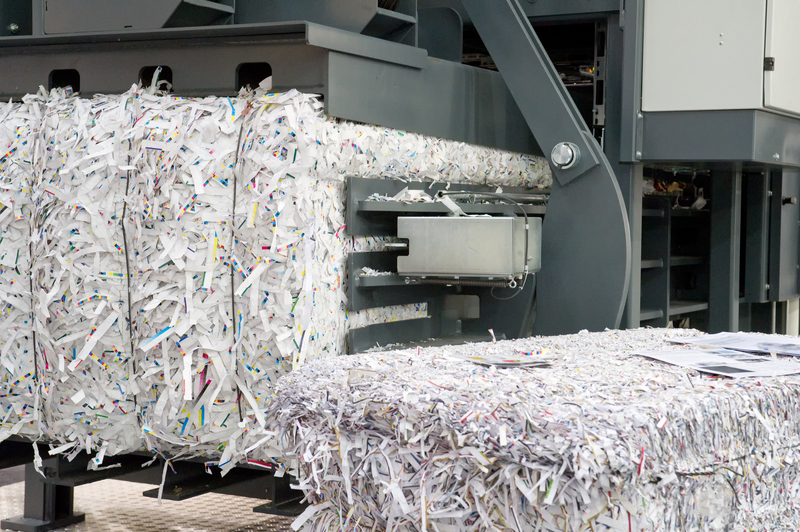
- Bale if you have volume: A small vertical baler turns piles of boxes into neat blocks. Bales can attract rebates and reduce collection frequency. More on this below.
- Use Waste Transfer Notes (WTNs): Every collection needs one. Keep records for at least 2 years as part of your Duty of Care.
- Pick licensed carriers only: Check waste carrier registration. If your cardboard is fly-tipped by a rogue operator, you could be liable. Not fun.
- Quality control: Appoint a "recycling champion" per shift to keep an eye on contamination and storage. A minute here saves an hour later.
- Review contracts annually: Volumes change. Don't pay for empty air or poor service. Shop around--prices vary.
- Measure impact: Ask for tonnage and recycling certificates. Great for ESG reporting and, frankly, for team morale.
Alternative and Complementary Routes
- Reuse for shipping: If you sell online, clean, sturdy boxes make excellent outbound packaging. Add a note telling customers how to recycle.
- Cardboard as mulch: Plain brown cardboard (no plastic coating) can be used as a weed-suppressing layer under compost in gardens. Remove tape and staples. Earthworms love it.
- Shredded void fill: A home or office shredder designed for cardboard can turn boxes into protective honeycomb padding. Great for Etsy sellers.
- Community swaps: Moving house? Offer free boxes locally. They'll disappear in hours--yeah, we've all been there.
Quick Micro-Moment
It was raining hard outside that day. The shop manager moved the flattened boxes onto a pallet, wrapped once with a reusable strap, and smiled--no soggy mess this week. Small, tidy victory.
Expert Tips
These are the professional touches that keep cardboard recycling smooth, compliant, and cost-effective.
- Cut deep tape once, not thrice: A sharp safety knife reduces time and accidents. Keep blades retracted when not in use.
- Store off the floor: Pallets or racks stop moisture wicking up from concrete--sounds fussy, but it saves whole piles from rejection.
- Remove plastic straps: Those colourful bands around deliveries? They jam sorting equipment. Snip and bin separately.
- Minimal staples are fine: Most mills can handle them. Don't waste time pulling every single one unless your buyer specifies.
- Watch coatings and laminates: Waxed fruit crates, heavy glitter, or metallic finishes can contaminate loads. Keep them out of your OCC stream.
- Right-sizing packaging: If you ship goods, choose box sizes that fit your items to reduce void fill and future waste. Your customers will notice.
- Moisture is the silent killer: Use covered bins and keep lids closed. In the UK, even a drizzle can ruin fibre quality--be one step ahead of the weather.
- Know your council's stance on pizza boxes: Some accept lightly soiled cardboard; others don't. When in doubt, tear off the greasy bit.
- For businesses, label at eye level: A simple sign reading "Cardboard only--flatten, keep dry" beats any policy memo.
- End-of-quarter clear-out? Book a one-off collection or take a van-load to a local recycling centre. Don't overflow your bins; it invites rejections.
One more tip, more human than technical: put a small box cutter on a string near your cardboard area. You'll use it ten times a day, and somehow, it stops going missing. You'll see why.
Common Mistakes to Avoid
Even the keenest recyclers slip up. Here are the pitfalls that trip people, and how to dodge them gracefully.
- Leaving cardboard outside in the rain: Wet fibres sag and mat. Keep it dry or risk rejection.
- Mixing plastic film with OCC: Stretch wrap from pallets? That belongs with soft plastics collections, not cardboard.
- Not flattening: Unflattened boxes eat bin space and can block the hopper on collection vehicles. Flattening is the simplest fix.
- Overstuffing wheelie bins: If the lid won't shut, crews may tag and leave it. Spread to next collection or bundle neatly.
- Contamination with food or liquids: Coffee spills, curry stains, or damp compost make cardboard unrecyclable. Keep them apart.
- Ignoring local rules: Councils vary on bundling, weight limits, and box sizes. A quick check avoids hassle.
- Storing next to general waste: Bags split, leachate leaks, cardboard suffers. Keep streams separate.
- Expecting rebates too early: Businesses often need steady volume and consistent quality bales to access rebates. Build quality first.
Don't worry if you've made a few of these. We all do. Today's the reset.
Case Study or Real-World Example
Case: Independent cafe group, South London
Three busy cafes, all within a 2-mile radius, were spending too much on mixed waste collections. Cardboard was piling up by back doors, sometimes soggy, sometimes in the way. Staff were doing their best--just not the right best.
What changed: We set up a shared cardboard routine: indoor stack zones with pallets, a simple sign, a weekly "flatten and bundle" slot on the rota, and a small vertical baler at the largest site. The other two spots used a 660L paper/cardboard bin each, lids always closed. Staff learned to tear off greasy pizza box bases and keep only clean lids for recycling.
Outcome in 12 weeks:
- Mixed waste bins cut from 6 to 3 per week across the group.
- Cardboard bale collections every fortnight, no contamination charges.
- Estimated 1.2 tonnes of OCC diverted every month.
- Annualised saving: just over ?2,000 in collection fees, plus a small rebate for quality bales.
The manager said the back rooms felt "calmer" (their word). Less clutter, fewer pests, and no last-minute panic on collection day. Clean, clear, calm.
Tools, Resources & Recommendations
Whether you're a household or a business, a few tools make responsible cardboard disposal easier--almost automatic.
For Households
- Safety cutter or scissors: For quick flattening. Keep one near your recycling area.
- Reusable twine or tape: To bundle overflow when your bin is full.
- Indoor staging area: A corner of a cupboard or utility room where boxes can dry and wait for collection.
- Small shredder (optional): Converts boxes into packing material for parcels. Choose models rated for cardboard.
- Compost setup (optional): If you garden, uncoated brown cardboard is a great carbon source in compost.
For Businesses
- Pallets or racks: Keep material off the floor and dry.
- Signage: Eye-level, simple, pictorial where possible. "Flatten, keep dry, no food" works well.
- Wheelie bins or cages: Match capacity to your weekly volume. Typical sizes: 240L, 360L, 660L, 1100L.
- Baler (for moderate to high volumes): Vertical balers help produce mill-ready bales; ask suppliers about training and safe use.
- Waste Transfer Notes (digital or paper): Keep records tidy and accessible for inspections.
- Service reviews: Compare contractors annually. Ask for contamination rates and service-level stats.
Standards & Specs Worth Knowing
- EN 643: European List of Standard Grades of Paper and Board for Recycling. Old Corrugated Containers (OCC) often referenced as grade 1.05. Keeping to this quality helps with rebates.
- Waste codes (EWC/LoW): Cardboard packaging is typically 15 01 01; municipal paper/cardboard 20 01 01--useful for WTNs.
Law, Compliance or Industry Standards (UK-focused if applicable)
Disposing of cardboard responsibly isn't just good manners--it's required in many situations, particularly for businesses. Here's your no-nonsense UK compliance guide.
Households
- Follow council guidance: Councils set local collection rules--what goes in which bin, how to present bundles, weight limits, etc.
- Contamination risks: Persistent contamination can lead to missed collections; keep cardboard clean and dry.
Businesses
- Duty of Care: Under the Environmental Protection Act 1990 and related regulations, you must store, transport, and dispose of waste responsibly. Keep your cardboard secure, separate, and labelled.
- Waste (England and Wales) Regulations 2011, Regulation 13: Requires separate collection for paper/cardboard (among others) where technically, environmentally, and economically practicable (TEEP). Similar duties apply in Scotland and Northern Ireland under their respective regulations.
- Waste Carrier Registration: Only use carriers registered with the relevant environmental regulator (Environment Agency, SEPA, NRW, NIEA).
- Waste Transfer Notes (WTNs): Provide descriptions, EWC codes, and signatures for each transfer; keep records for at least 2 years.
- Packaging EPR (Extended Producer Responsibility): Large producers must report packaging data (active since 2023). Full fee obligations have been phased and, as of the latest updates, are scheduled to take fuller effect from 2026--watch government guidance for current timelines.
- Fire safety: HSE best practice is to minimise combustible build-up. Don't let cardboard pile near exits or heat sources.
- Data protection: If cardboard includes labels with personal data, remove or deface before disposal. Simple but important.
Note: Regulations are updated periodically. Always check the latest guidance from your nation's environmental regulator and your local council.
Checklist
Use this quick checklist each time you handle cardboard. Tick mentally, job done.
- Empty it: Remove plastic, foam, and any leftover items.
- Check contamination: Tear off greasy or wet sections.
- Flatten: Cut tape, fold flat, stack neatly.
- Keep dry: Store indoors or under a cover until collection.
- Separate streams: Cardboard with cardboard--no plastic film or food waste.
- Use the right bin: Follow council or contractor instructions.
- Bundle if needed: Tie stacks for overflow days.
- Record (business): Keep WTNs and carrier details on file.
- Review: Update your approach if volumes change or rules shift.
Conclusion with CTA
Responsible cardboard disposal is one of those rare sustainability wins that's also convenient. A few habits--flatten, keep dry, separate--can turn a cluttered corner into a clean, reliable recycling flow. Whether you're a family taming moving-day chaos or a business chasing better margins and compliance, these simple steps to dispose of cardboard responsibly will pay you back every week.
And if you ever feel stuck--too many boxes, confused by rules, or just short on time--remember: you don't have to do it alone. A quick chat with a reputable recycling service can sort a plan that suits your space, your schedule, and your budget.
Get a free quote today and see how much you can save.
Take a breath. You've got this.
FAQ
Can greasy pizza boxes be recycled?
Partly. Tear off and recycle the clean lid or unsoiled sections. Put heavily greasy or food-soiled parts in general waste (or food/garden waste if your council allows). Always follow local guidance.
Do I need to remove all tape and labels?
No. Remove large strips of heavy tape and plastic labels where easy, but small amounts of paper tape and minor labelling are typically acceptable. Focus on keeping the cardboard clean and dry.
What if my cardboard gets wet?
Let it dry fully before presenting for collection. Water weakens fibres and can cause rejection. If it's soaked-through and losing integrity, it may need to go to general waste this time.
Can waxed or coated cardboard be recycled?
Often not in standard streams. Waxed produce boxes and thick plastic-coated boards can contaminate OCC. Keep them separate and ask your council or contractor for specific instructions.
How should businesses store cardboard safely?
Flatten and stack on pallets or racks, away from moisture and heat. Keep clear of exits. Use covered bins or indoor cages where possible to maintain quality and reduce fire risk.
Is composting cardboard a good idea?
Yes for plain brown, uncoated cardboard in small amounts. Shred or tear into pieces and mix with green waste to balance carbon and nitrogen. Remove tape and staples first.
What are the benefits of a cardboard baler?
Bales reduce storage space, cut collection frequency, may qualify for rebates, and keep material clean. They're ideal for retailers, warehouses, and hospitality with steady volumes.
Which waste code applies to cardboard packaging?
For businesses, cardboard packaging is typically EWC/LoW code 15 01 01. Municipal paper/cardboard collected from households usually falls under 20 01 01.
Do I need a Waste Transfer Note for every collection?
Yes, for business waste. Each transfer requires a WTN or a season ticket covering multiple collections with clear start and end dates. Keep records for at least 2 years.
How do I find a licensed waste carrier?
Check the register of waste carriers with your national environmental regulator (Environment Agency, SEPA, NRW, or NIEA). Ask for their registration number and insurance details.
Is it better to reuse or recycle cardboard?
Reuse first, then recycle. Reusing extends the life of the box and reduces demand for new packaging. When a box is no longer sturdy, flatten and recycle it.
Can I put cardboard next to my bin if it won't fit?
Only if your council allows side waste. Some accept tied bundles; others don't. Check your local rules to avoid missed collections.
Do staples and small metal clips need removing?
Small amounts are generally acceptable and removed during pulping at the mill. Focus on removing large contaminants like plastic straps and thick tape.
What about laminated or glittery gift boxes?
These are often not accepted in standard cardboard recycling due to adhesives and foils. Check if your council advises placing them in general waste.
Can I get paid for my cardboard?
Possibly. Businesses with consistent, clean OCC bales may receive rebates depending on market prices and volumes. Households typically won't, but will save space and avoid contamination issues.
What is EN 643 and why does it matter?
EN 643 is the European list of standard paper and board grades for recycling. Meeting the OCC grade (commonly referenced as 1.05) ensures quality, improves mill acceptance, and can support better pricing for bales.
Will the UK's packaging EPR change how I dispose of cardboard?
For households, collections may become more consistent over time. For businesses placing packaging on the market, reporting and fees drive better design and clearer labelling. Keep an eye on government updates.
One last thought--sometimes the quickest way to feel in control at home or work is to flatten one box, then the next, then the next. It's almost meditative. And it helps, more than you'd think.