Skip Hire in Wimbledon for practical waste removal
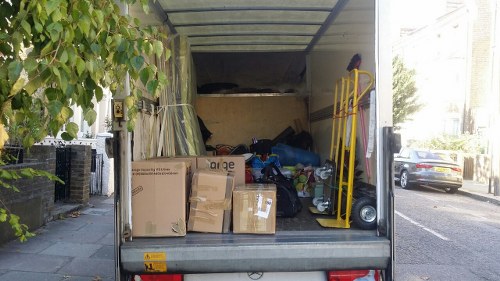
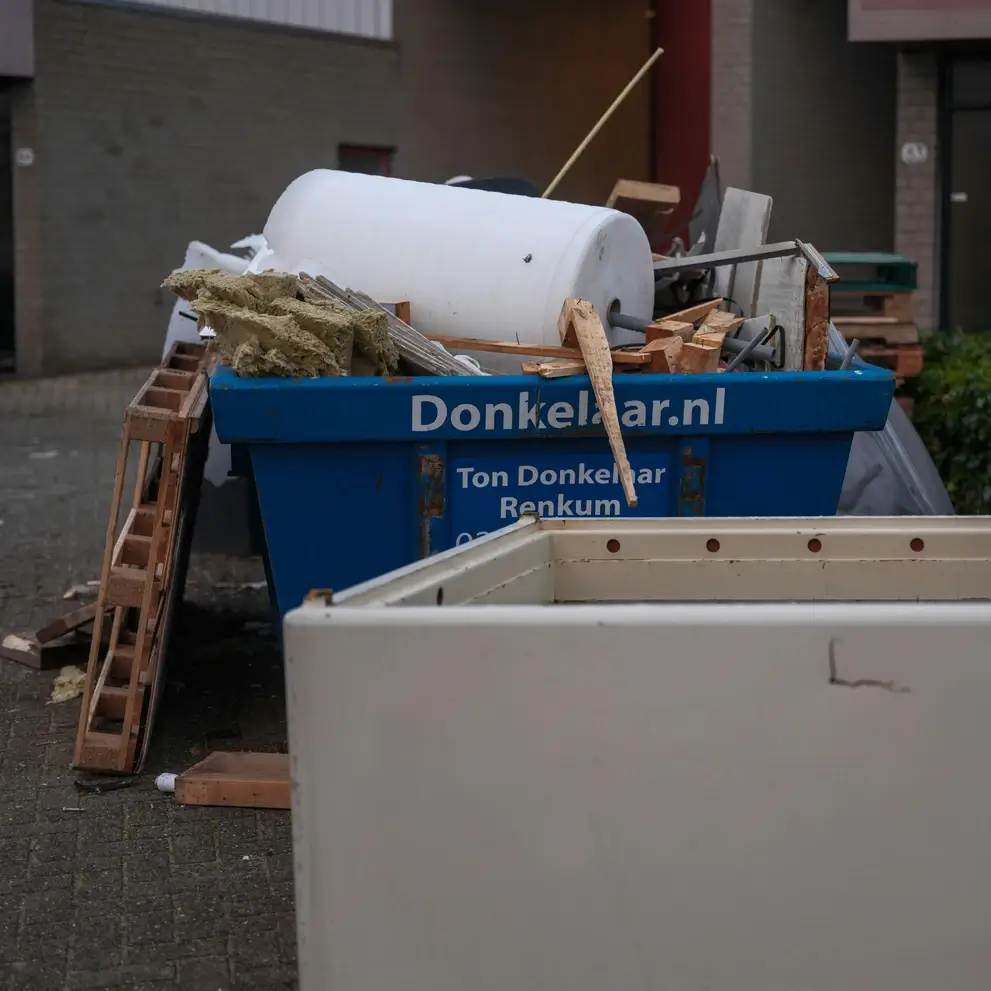
Skip hire in Wimbledon gives households, trades and property managers a straightforward way to deal with bulky waste that would be awkward to move in smaller loads. We provide skip hire for mixed non-hazardous waste, helping customers clear renovation debris, garden cuttings, old fixtures and general rubbish without turning disposal into a series of separate trips. The service is designed to keep the process simple: choose the right size, consider access, and plan the fill so the load is safe and efficient.
Our skip hire service is suitable when you need a single container delivered, filled at your own pace and collected once the job is complete. For many customers, the key decision is choosing a size that matches the waste type and the available space. A container that is too small can lead to overflow or extra collections, while one that is too large can be unnecessary for a modest clear-out. We can help you compare options in a clear, practical way.
Use this page to get a sense of the main skip hire options available in Wimbledon and the kinds of projects they support. If you are planning a one-off clearance or a more involved job, the best result usually comes from matching the waste stream to the right service rather than trying to make every task fit the same container. Start with the waste you have, then choose the service that makes loading, access and collection manageable.
Choosing the right skip size
Different projects create different kinds of waste, and the right size depends on both volume and weight. Light but bulky items such as packaging, broken furniture and cut branches may fill space quickly, while denser materials like soil, rubble and tiles can reach weight limits sooner. A careful choice helps avoid delays and reduces the chance of overfilling, which is important for safe transport and collection.
Our skip sizes and prices page is a useful place to compare the common container sizes before you book. It is also helpful to think about access: the space available on the road, driveway or site, the distance from the waste source to the skip, and whether a larger container would actually be easier than several smaller loads. Good planning can save time, especially when the job includes awkward or mixed items.
When you are preparing your quotation request, keep it simple and accurate. A short list of what needs removing, the approximate amount, and any access limits is usually enough to identify a suitable option. If the job involves several waste types, mention that too, because separation or special handling may affect the recommended service. Clear information at the start makes the rest of the process much easier.
Domestic clearances and home projects

Many domestic jobs suit skip hire because they produce steady but manageable amounts of waste over a few days. Homeowners often use a skip for kitchen or bathroom rip-outs, loft clear-outs, garage contents, old furniture or DIY debris. The value of a skip is not only volume; it also gives you a dedicated place for waste so the rest of the property stays clearer while work is underway.
For lighter household jobs, domestic skip hire offers a practical way to keep waste in one place until the collection is due. If you are clearing a house more comprehensively, there may also be situations where house clearance is the better fit, particularly where you want items removed rather than loaded into a skip for sorting yourself. The most suitable choice depends on how much sorting you want to do and how the waste is gathered.
Domestic customers often find it helpful to group items before the skip arrives, separating what can be kept, donated, recycled or thrown away. That saves space and makes loading safer. It also helps to think ahead about access routes, parking and where the container should sit once delivered. If you are unsure whether your project is better suited to a skip or a collection-based service, ask for a quotation and describe the job in ordinary terms.
Trade, building and renovation waste
Building and refurbishment work can produce heavier and more varied waste than a standard household clear-out. Broken bricks, timber offcuts, plasterboard, old fittings, packaging and mixed debris all need handling in a way that suits the job site. A skip provides a central point for disposal, which helps keep work areas more orderly and makes it easier to keep separate from tools, materials and walkways.
For refurbishment and contractor use, builders skip hire is often the most direct option, while builders waste removal can suit jobs where waste needs collecting rather than stored on site. Where the work is more focused on site preparation or a mixed project area, construction waste disposal and construction waste clearance provide broader wording for the same practical need: getting the debris away in an organised way.
Not every trade job is the same. A light internal strip-out produces different waste from a structural alteration, and a small renovation may need a different arrangement from a long-running project. If your task involves plasterboard, rubble, timber or mixed contents, mention the main materials when you request a quote. That single detail can shape the most suitable service far more accurately than a vague estimate of “some rubbishâ€.
Commercial, office and managed premises
Commercial premises often need dependable waste removal when refurbishing, moving out, reconfiguring storage, or clearing redundant items from working areas. A skip can be used for desks, shelving, packaging, old fixtures and general non-hazardous waste generated during practical changes to the site. The benefit is not just disposal, but a more organised way to handle waste while other work continues around it.
Where the setting is a workplace rather than a home, commercial skip hire offers a straightforward route for business waste, while office clearance is useful when items need removing from an interior space rather than being gathered into a container. For time-sensitive access restrictions or occupied buildings, a planned approach matters: think about loading points, lift access, vehicle movement and whether collection needs to avoid busy hours.
If you manage premises with changing occupancy or staged refurbishment, it helps to separate what is to be kept, reused or removed before the container arrives. That reduces sorting on the day and makes the process more orderly. When asking for a quotation, describe the location type, the main materials and any restrictions on delivery or collection so the service can be matched properly to the site.
Access, permits and practical planning

Some skip hire jobs are straightforward driveway drops, while others need more thought because of parking pressure, narrow streets or limited turning space. In those cases, access can be just as important as waste volume. It may affect where the container can be placed, how easy it is to load, and whether a permit is required if the skip has to sit on public highway space.
If you need to check the rules around roadside placement, the skip permits page is a helpful starting point. The related skip hire permits information can also be useful when you want to understand the practical steps before booking. These pages do not replace local authority requirements, but they do help you prepare the details that usually matter most: the intended location, the length of time needed and the likely access conditions.
A quotation request is stronger when it includes the basics: the waste type, the proposed placement area and whether the site is on private ground or near the road. If there are obstacles such as low trees, tight gates or restricted parking, mention them early. That allows the right service to be suggested without avoidable changes later. Planning ahead keeps the hire smoother and avoids guesswork about what the site can accommodate.
Specialised waste and careful disposal
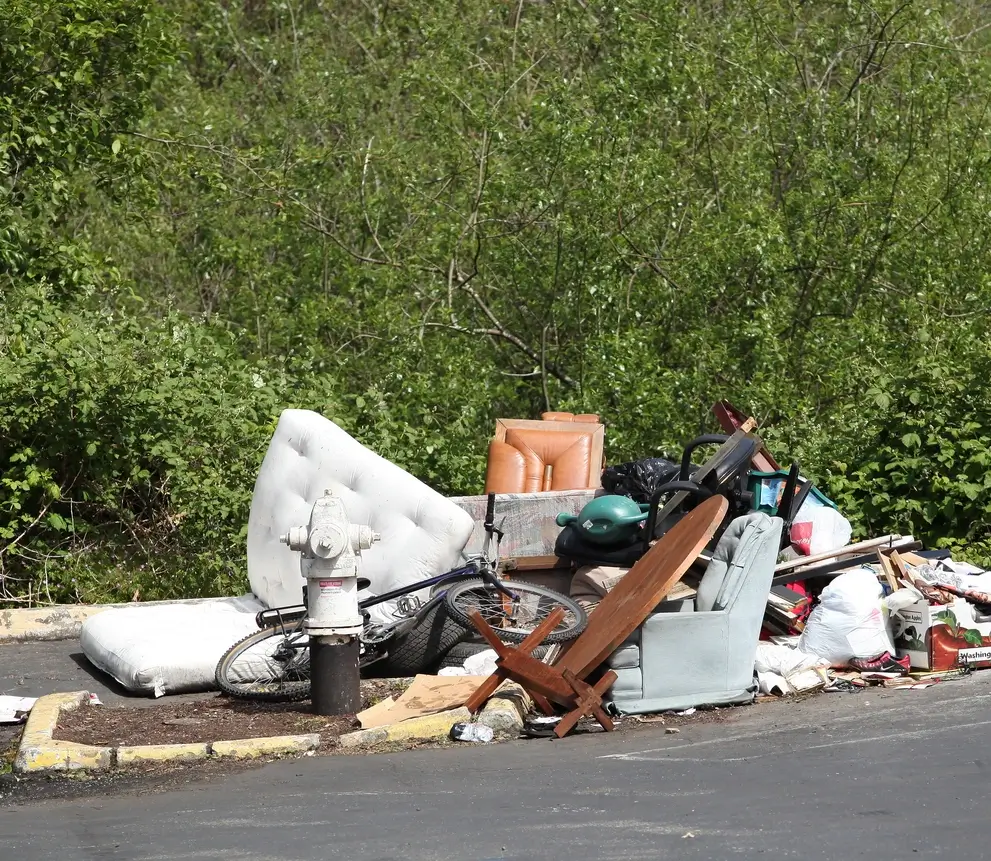
Some items need more care than standard mixed waste because of their weight, shape or disposal rules. Examples can include fridges, appliances, mattresses, sofas and certain potentially hazardous materials. These items may not be suitable for a general skip, or they may need to be handled separately because of environmental or safety requirements. The key point is to identify them early rather than add them to a general load by assumption.
For item-led disposal, fridge and appliance removal is relevant where electrical goods need collecting, while mattress and sofa disposal covers bulky furnishings that can be awkward to load and sort. If the material is more sensitive, hazardous waste disposal is the page to review before making any plan, because special waste should always be identified clearly before collection or hire.
Specialised waste is one of the reasons a good description matters more than a rough “general rubbish†label. If you have one or two unusual items mixed with ordinary waste, say so in the enquiry. That helps the service team judge what belongs in the skip, what may need separate handling and whether a different collection route would be more suitable. Accurate detail protects the job from avoidable delays.
Site clearance, muck away and larger jobs
Larger outdoor or preparatory projects can create loose waste in quantities that are better handled in stages. That includes garden overhauls, demolitions, excavations, strip-outs and general site tidy-ups. A skip may work well for some parts of the project, but other jobs are more suited to bulk removal by vehicle when there is a lot of loose material or heavier waste to clear quickly.
Where groundworks or wider clearances are involved, site clearance provides a broader service option, while muck away services and grab hire services are relevant for moving substantial loose waste. If the job is especially heavy or awkward, grab lorry hire may suit the need for collecting bulk materials without filling a container by hand. These pages are useful for comparing the kind of equipment needed to the kind of waste produced.
When a project combines soil, rubble, vegetation and mixed debris, it is usually worth describing each element separately rather than assuming one solution fits all. A service that suits waste from a clearance yard may not be ideal for a domestic patio project or a renovation with mixed fractions. If your plan is changing, ask for a quotation with the latest scope rather than relying on an earlier estimate that no longer reflects the work.
About Wimbledon
Wimbledon is a district in southwest London within the London Borough of Merton, known for combining a busy town centre with substantial areas of open space and residential streets. The most widely recognised landmark is Wimbledon Common, a large expanse of heath and grassland that gives the district a green edge unusual for inner and outer London alike. The common is valued for walking, nature study and sport, and its open landscape contrasts with the more built-up centre around Wimbledon Hill Road and the railway approaches. The district’s development accelerated in the nineteenth century with the arrival of rail links, which encouraged suburban growth and brought new streets, terraces and villas across what had been a more rural settlement. Wimbledon’s town centre now blends shopping streets, transport connections and civic buildings with older pockets of architecture that reflect different phases of expansion. The area also has a strong association with tennis because the All England Lawn Tennis and Croquet Club hosts the annual Championships nearby at Church Road, drawing international attention each summer. Beyond that, Wimbledon includes a range of churches, schools, parks and residential neighbourhoods, and its character shifts noticeably between the centre, the village-like western edges and the common itself. The district’s identity is shaped by this mix of urban convenience and open landscape, with local history visible in its street pattern, transport infrastructure and surviving older buildings.
Garden, garage and loft clear-outs

Many customers first look for skip hire when they are dealing with accumulated items from outside spaces or storage areas. Garden projects can produce branches, soil, fencing offcuts, broken planters and general green waste, while garages and lofts often contain a mixture of old household items, cardboard, dismantled furniture and forgotten equipment. A skip helps collect all of that in one place without repeated trips to a disposal point.
For greener waste, garden waste removal may be the better fit where the job is mainly organic material rather than mixed rubbish. When the task is about clearing built-up storage, garage and loft clearance gives a more specific service route. If items are more bulky but still domestic, rubbish removal may suit a situation where lifting and away-with-all-items support is more convenient than using a container.
The deciding factor is often how the waste is presented. Bagged green waste, dismantled shelving and loose rubble may each point to a different approach. If the job includes both usable items and waste, separate them before you book so you can describe the clearance honestly. That makes it easier to choose between a container-based hire and a collection service, and it helps avoid loading a skip with items that should be handled differently.
Pricing, recycling and how to request a quotation
Skip hire costs are influenced by several practical details rather than a single fixed formula. Size, waste type, duration, permit requirements and access all play a part. A container with mostly light domestic waste can differ from one filled with dense rubble or mixed trade debris, and that difference matters because disposal and transport must be planned properly. The clearer the brief, the more accurate the quotation can be.
For people comparing options, pricing and quotes and recycling and sustainability are useful pages to review. They can help you think through what is included in the service and how the material is likely to be handled after collection. If you want to understand what can go in a container before you send details, the what can go in a skip guide is also worth checking, especially for mixed loads where a few items may need separate treatment.
To request a quotation, send a short outline of the waste, the location, the access conditions and the timing you are working to. If you are ready to move ahead, you can book online or use the quote route that suits you best. For a quick next step, tell us what you need cleared, and we can help match the service to the job.
Service choices for different waste streams
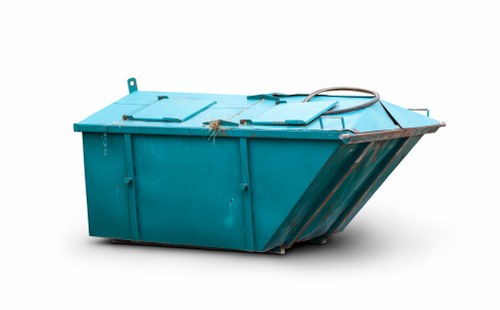
Not every clearance in Wimbledon needs the same type of arrangement, which is why it helps to compare service pages rather than treating skip hire as a single fixed option. Mixed domestic loads, trade debris, outdoor clearances and bulky item disposal each benefit from a different emphasis. Some customers want a container left on site for a period of time; others want a more direct collection solution. The right choice is usually the one that keeps the waste flow steady and the site tidy.
- wait and load skip hire suits places where a skip cannot stay on the road or driveway for long.
- same day skip hire may be relevant when the schedule is tight and the project needs to keep moving.
- waste recycling services are useful when the focus is on separating material for responsible processing.
- skip hire remains the general choice when you need a container-based solution for mixed non-hazardous waste.
If you are still deciding, start with the nature of the waste, then consider access and timing. That sequence is usually more reliable than choosing by habit alone. In many cases, the simplest route is to describe the project in one or two sentences and let the recommended service follow from that. If you are ready for the final step, contact us for a quotation.